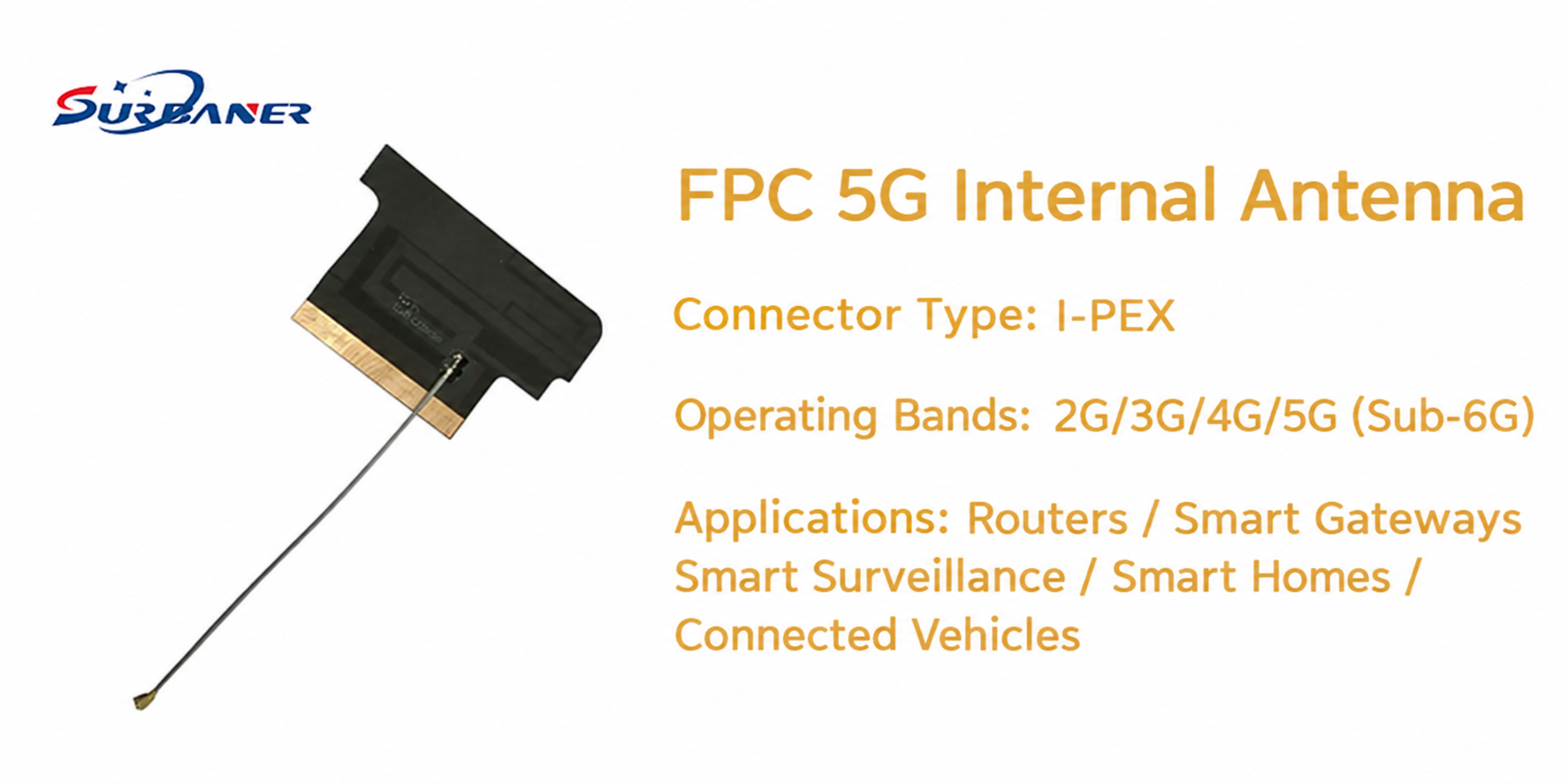
5G antennas are no longer traditional single metal conductors, but complex systems that integrate hardware, algorithms, and software definitions. The core features of 5G antennas introduced by Yanchuang Antenna are as follows:
5G antennas are no longer traditional single metal conductors, but complex systems that integrate hardware, algorithms, and software definitions. The core features of 5G antennas introduced by Yanchuang Antenna are as follows:
1. Large scale MIMO
Core concept: Using dozens or even hundreds of antenna units at the base station to form a large-scale antenna array.
Core advantages:
Beamforming: This is the most core technology of MIMO. Antenna arrays can act like searchlights, accurately focusing wireless signal energy in the direction of specific users, rather than omnidirectional broadcasting like traditional antennas. This greatly enhances signal strength, coverage distance, and anti-interference ability.
Space reuse: Serving multiple users simultaneously on the same time and frequency resources. Through beamforming, base stations can create independent and non interfering data streams for different users, thereby doubling network capacity.
2. Higher frequency and wider bandwidth
5G uses two main frequency bands:
Sub-6 GHz: With frequencies below 6GHz, it has a wide coverage range and strong penetration ability, making it the foundation of wide area coverage.
Millimeter wave: With a frequency above 24GHz, it can provide extremely high bandwidth (usually up to several hundred MHz or even GHz level), thereby achieving extremely high data transmission rates (theoretical peak can reach 10Gbps or more).
3. Active antenna system
Traditional antennas are passive and need to be connected to active equipment (such as RF units) in the base station room through feeders.
5G AAS integrates RF units (such as power amplifiers, low-noise amplifiers) and antenna units together. This enables each antenna unit to independently control its phase and amplitude, which is the physical basis for achieving precise beamforming.
4. Miniaturization and high integration
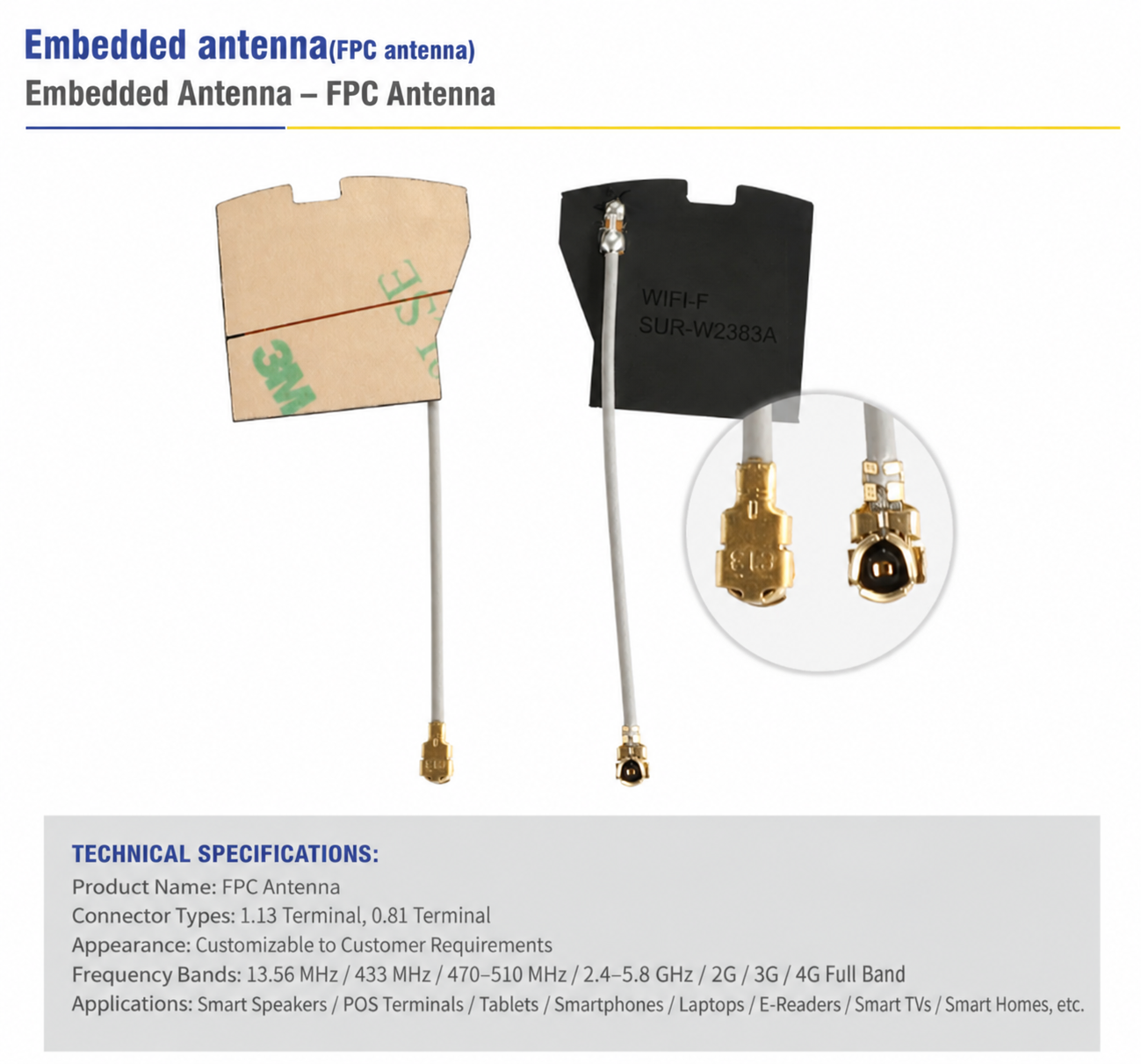
In order to support large-scale MIMO, base station antennas need to integrate a large number of antenna units, which requires each unit to be made very small.
Especially for millimeter wave antennas, due to their extremely short wavelength (1-10 millimeters), the antenna size can be made very small, making it possible to integrate a large number of antenna units into a small panel.
5. Multi band and multi standard support
A 5G antenna typically needs to support multiple frequency bands (such as 700MHz, 2.6GHz, 3.5GHz, 26GHz, etc.) and be compatible with multiple network standards such as 2G/3G/4G/5G to reduce the occupation of antenna resources and simplify site deployment.
The main challenges faced by 5G antennas
The above characteristics not only bring about performance leaps, but also unprecedented engineering and technological challenges.
1. Design complexity and cost
System complexity: Large scale MIMO means a significant increase in the number of antenna elements, and the corresponding number of RF channels, phase shifters, amplifiers, and other components also grows exponentially. This has led to extremely complex system design, signal processing, and calibration algorithms.
High cost: The large number of high-performance RF components and complex integrated circuits make the cost and price of active antenna systems much higher than traditional antennas.
2. Hardware challenges
Power consumption and heat dissipation: Hundreds or thousands of RF channels work simultaneously, resulting in huge power consumption. High power consumption generates a large amount of heat, and if the heat dissipation design is poor, it can seriously affect the lifespan of components and system stability. AAS typically requires complex cooling systems such as fins, heat pipes, and even liquid cooling.
Nonlinear distortion: At high power output, devices such as amplifiers are prone to nonlinear distortion, resulting in signal distortion and out of band radiation, which interferes with other frequency bands. This places extremely high demands on the linearity of the power amplifier.
Calibration accuracy: The beamforming performance of large-scale antenna arrays is highly dependent on the consistency of amplitude and phase across all channels. Temperature changes, device aging, and other factors can lead to channel mismatch, thus requiring a complex and precise real-time calibration system.
3. Signal processing challenges
Computational complexity: Beamforming, channel estimation, signal detection and other algorithms require processing massive amounts of data, which places extremely high demands on the computing power of the baseband processing unit (BBU) and requires powerful DSP and FPGA support.
Channel state information acquisition: In order to generate the optimal beam, the base station needs to obtain accurate channel state information in real time. Accurately and quickly obtaining CSI in high-speed or complex environments is a huge challenge.
4. Deployment and Coverage Challenges
Disadvantages of millimeter wave propagation:
High penetration loss: easily absorbed by walls, leaves, even rainwater and oxygen, making indoor and long-distance coverage difficult.
Poor diffraction ability: It is easy to form signal shadow areas when encountering obstacles.
This determines that millimeter waves are mainly suitable for high-density hotspot areas (such as sports stadiums and shopping malls) and fixed wireless access scenarios, requiring the deployment of a large number of small base stations.
Site location and aesthetics: Large scale MIMO antennas are usually larger in size and weight, which places higher demands on the load-bearing and wind load capacity of towers and lamp posts. How to deploy these devices aesthetically in urban environments is also a practical issue.
5. Testing Challenge
Testing an active antenna system with 64 or 128 ports is much more complex and time-consuming than traditional antennas. Complex multi-channel testing systems, expensive testing equipment, and specialized darkroom environments are required to verify performance indicators such as beam patterns and EIRP (Equivalent Omnidirectional Radiation Power).
6. Standardization and interoperability
Although 3GPP has established the 5G standard, there are still differences among different device vendors in implementing MIMO, beam management, and other technologies, ensuring good interoperability between devices from different vendors is a continuous challenge.

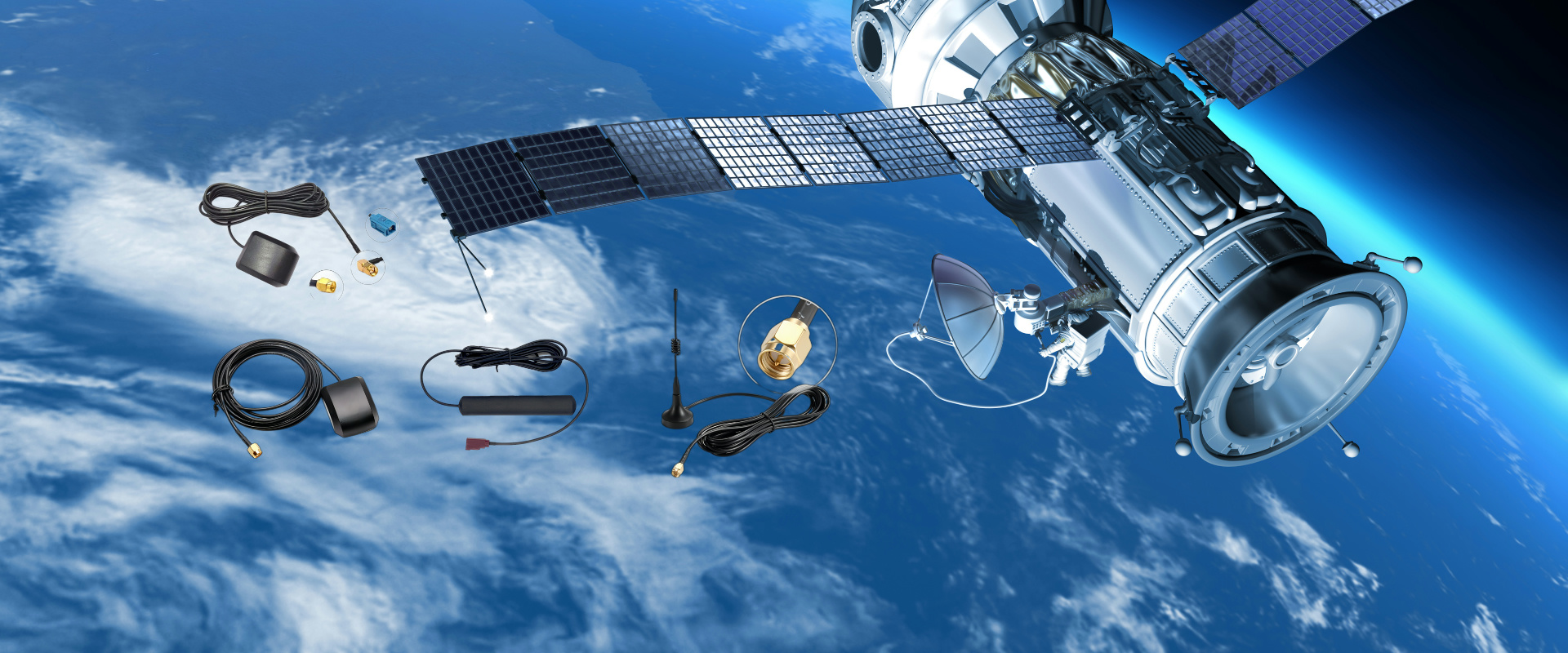
Shenzhen Yanchuang Communication Technology Co., Ltd.'s products include various inverter antennas, GPS antennas, suction cup antennas, car antennas, WiFi antennas, RF connectors, etc. They are widely used in photovoltaic energy storage systems, network communication terminal products, outdoor wireless coverage, communication base stations, smart wearable devices/homes and other fields. We can also provide EMC testing and solutions, and support antenna manufacturers for customized antenna development. We are a one-stop wireless solution service provider.
