1. Main functions
Interface conversion: Connect RF cables or devices of different interface types (such as SMA to N‑type, BNC to SMA, etc.).
Impedance matching: Ensure impedance consistency in signal transmission (usually 50 Ω or 75 Ω) and reduce reflection losses.
Frequency adaptation: Supports signal transmission within specific frequency bands (such as DC‑6GHz, 18GHz, etc.).
Gender conversion: solving the connection problem between male and female devices.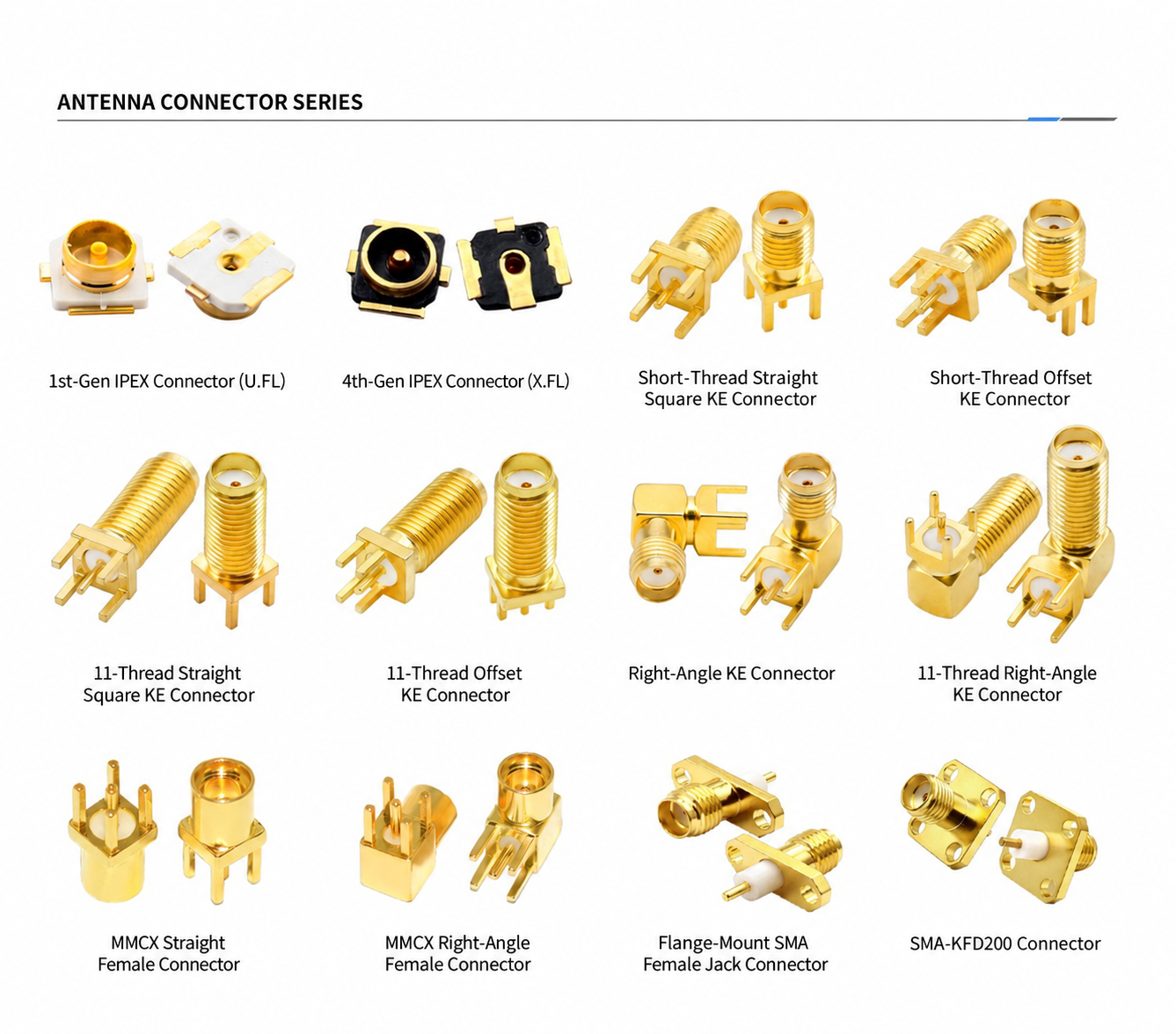
2. Common types
Coaxial adapter: used for converting between coaxial cables (such as SMA to BNC).
Waveguide adapter: connects waveguides and coaxial systems, used for high‑frequency scenarios such as millimeter waves.
Polarity adapter: Convert interface polarity (such as RP‑SMA to SMA).
Attenuation adapter: Built in resistor network, providing fixed attenuation (such as 10dB).
3. Key parameters
Frequency range: It needs to be matched with the operating frequency band (such as DC‑18GHz).
Impedance: commonly 50 Ω (communication) or 75 Ω (video).
Standing Wave Ratio (VSWR): Measuring matching performance, the lower the better (ideal value is 1:1).
Power endurance: The maximum power it can withstand (such as 100W).
Material: The shell (brass, stainless steel) and coating (gold plating, silver plating) affect durability.
4. Application scenarios
Test measurement: Connect instruments (vector network, spectrometer) to the device under test.
Communication system: interconnection of base stations, antennas, and RF modules.
Military/Aerospace: Signal Transmission in High Reliability Environments.
Consumer Electronics: Development and debugging of Wi‑Fi and 5G devices.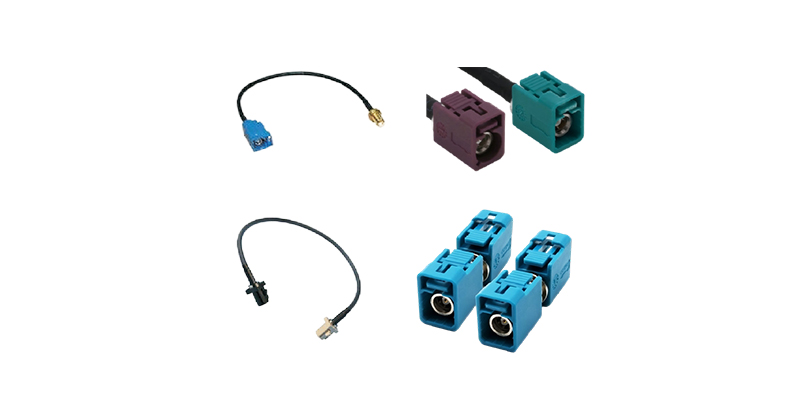
5. Selection precautions
Interface matching: Confirm the interface type, polarity, and size at both ends.
Frequency compatibility: The frequency range of the adapter needs to cover the signal requirements.
Loss control: Choose models with low insertion loss (such as<0.3dB).
Environmental adaptability: Waterproof and corrosion‑resistant design is required for outdoor use.
6. Common Problems
Signal attenuation: Poor quality adapters may cause additional losses.
Impedance mismatch: causing reflection and affecting signal integrity.
Mechanical damage: Frequent plugging and unplugging may result in poor contact.
If you need more specific model recommendations or application scenario analysis, you can add Yanchuang brand WhatsAPP account:18576724139 to supplement the details of the requirements (such as frequency, interface type, etc.).