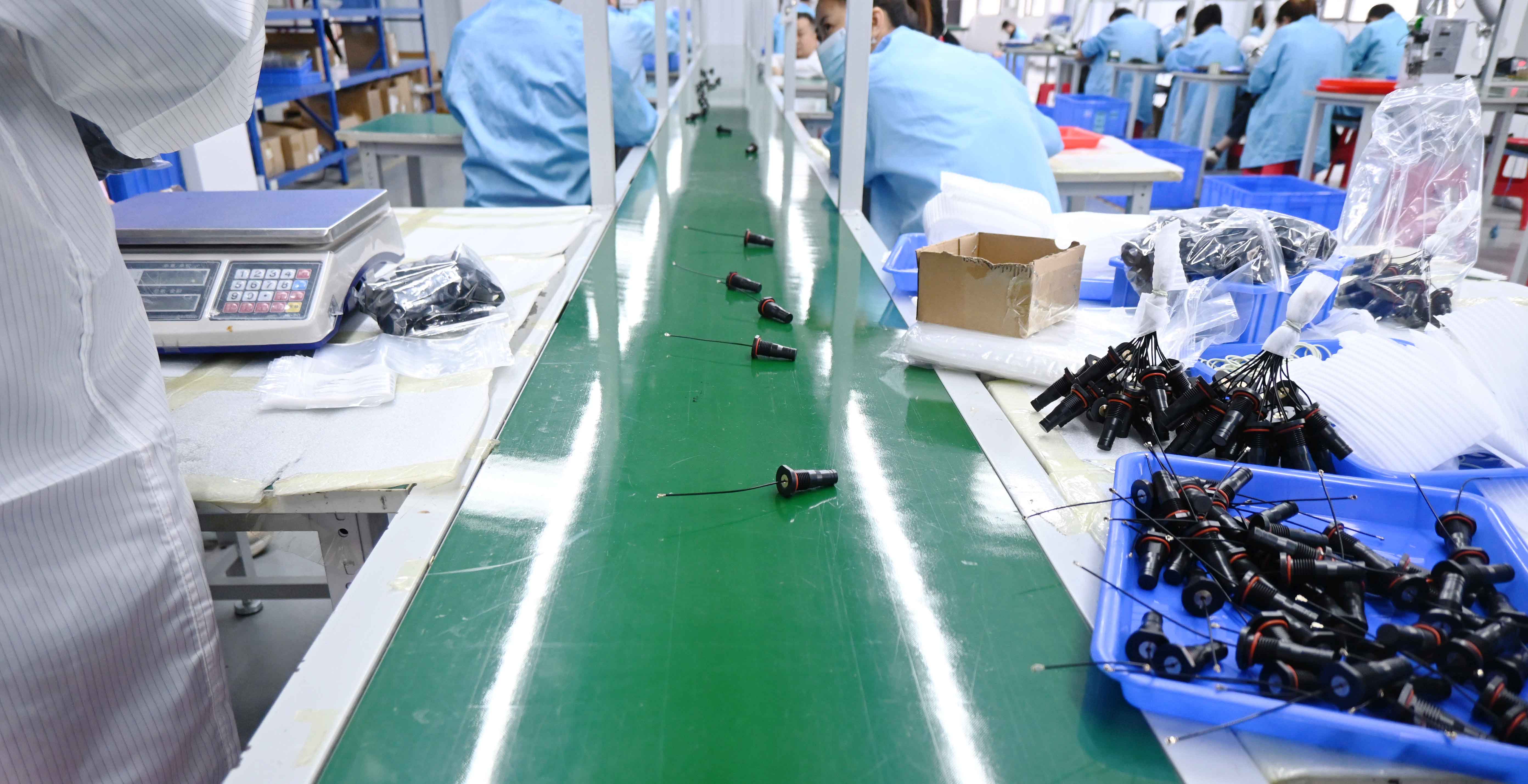
Inverters are mainly used to convert direct current into alternating current, commonly found in photovoltaic power generation systems. Shengbanger inverter antenna involves wireless communication functions, such as monitoring or data transmission.
Inverter antenna is a key component used for wireless communication in photovoltaic inverters, mainly used to achieve functions such as equipment status monitoring, data transmission, and remote maintenance. The following Shengbanger provides a detailed analysis from the aspects of functionality, design, application, and maintenance:
一、 The core function of Yanchuang communication inverter antenna
1. Wireless Communication and Data Transmission
The inverter antenna uploads the operational data of the inverter (such as power generation, voltage, temperature, etc.) to the cloud or local monitoring platform through wireless protocols such as Wi Fi, GPRS, 4G, etc., supporting users to remotely view device status. For example, Shengbanger optimizes signal penetration through dual antenna design to achieve stable communication in complex environments such as villas.
2. Remote control and maintenance
Combining fault warning and diagnosis with sensor data, the Yanchuang inverter antenna can transmit abnormal signals (such as overvoltage and overheating), trigger warning mechanisms, and help quickly locate faults.
二、 Key Technologies for Antenna Design of Yanchuang Inverter
1. Waterproof and dustproof structure
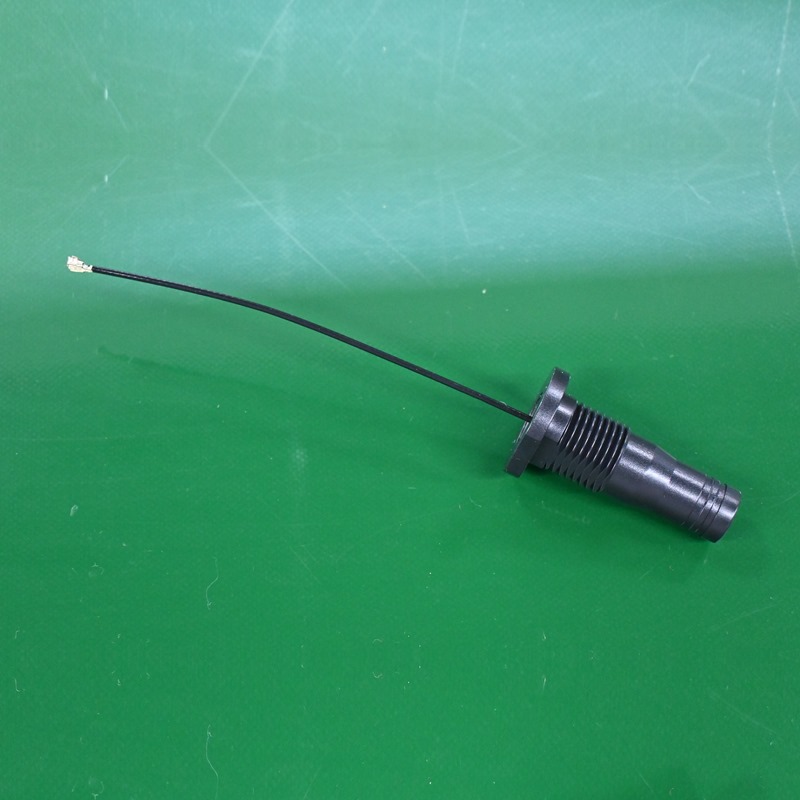
Adopting IP65/IP67 protection level design, the external antenna interface is locked with a threaded end cover and sealed with a rubber plug to prevent rainwater from seeping in.
Some inverters (such as yanchuang160180-01780) are combined with waterproof sealing strips through external antenna ports to adapt to harsh outdoor environments.
2. Signal optimization design
Dual antenna configuration: For example, the Yanchuang 3160-180-00877 module adopts a dual antenna design to improve signal strength and coverage range, and reduce blind spots.
High frequency materials and processes: using low loss PCB boards and matching circuits to reduce signal attenuation. For example, CREE silicon carbide diodes reduce energy loss in high-frequency rectification.
3. Heat dissipation and anti-interference
The antenna module is isolated from the power device layout to avoid electromagnetic interference (EMI). For example, common mode inductors suppress high-frequency noise through filtering.
Aluminum casing or thermal conductive adhesive filling design accelerates heat dissipation and prevents high temperatures from affecting antenna performance.

三、 Typical application scenarios
Distributed photovoltaic system
In rooftop photovoltaic power plants, antennas need to cover a wide area (such as villas) and achieve multi device network monitoring through Wi Fi or 4G.
No network environment communication
Some remote areas use LoRa or NB IoT modules to achieve low-power wide area network transmission through antennas, solving the problem of insufficient network coverage.
Intelligent operation and maintenance system
Combined with the Internet of Things (IoT) platform, the antenna supports real-time data collection and analysis, optimizing power generation efficiency.
四、 Installation and maintenance precautions
1. Installation specifications
The antenna should be kept away from metal obstructions and maintain a vertical or tilted angle (0 °~15 °) to avoid signal reflection interference.
Add a sunshade during outdoor installation to prevent components from aging due to direct sunlight.
2. Regular maintenance
Check the sealing of antenna interfaces every quarter, clean up accumulated dust, and ensure smooth heat dissipation channels.
Use an infrared thermometer to monitor the temperature at the antenna connection point. An abnormal increase may indicate poor contact.
3. Security protection
Avoid operating in thunderstorm weather, the grounding terminal should be reliably connected to prevent lightning damage.
Non professionals are prohibited from disassembling, as high-voltage direct current poses a risk of electric shock.
五、 The development trend of Yanchuang antenna technology
1. Miniaturization and Integration
Micro inverters (such as Shengbanger 160180-01126) use highly integrated antenna modules to reduce size while improving communication efficiency.
2. Intelligent Upgrade
Support AI algorithms to optimize signal paths, dynamically adjust antenna directions, and adapt to environmental changes.
3. Multi protocol compatibility
Future antennas may support new generation protocols such as 5G and Wi Fi 6 to meet higher bandwidth requirements.
Shenzhen Yanchuang Communication Technology Co., Ltd. offers a wide range of products, including various inverter antennas, GPS antennas, suction-cup antennas, vehicle-mounted antennas, Wi-Fi antennas, and RF connectors. These products are widely used in photovoltaic energy storage systems, network communication terminal products, outdoor wireless coverage, communication base stations, smart wearable devices, and smart home applications. The company also provides EMC testing and solutions and supports custom antenna development for antenna manufacturers, making it a one-stop provider of wireless solutions.